Gene Prediction
Deep learning algorithms can identify gene locations and likely biological roles with increased automation, supporting the discovery of coding regions and previously under-characterized genomic elements.
Advancing genome biology, precision analysis, and biological discovery through modern computational intelligence aligned with the foundation’s research and education mission.
Explore a research-oriented internship program designed to build practical skills in bioinformatics, artificial intelligence, and data-driven life science research.
At the Sivasakthi Science Foundation, we believe the future of life sciences lies at the intersection of artificial intelligence, deep learning, and biology. Our investment in AI supports faster interpretation of biological systems, stronger computational pipelines, and more meaningful translation of data into discovery.
“Where intelligent computation meets biological complexity, new frontiers of discovery become possible.”
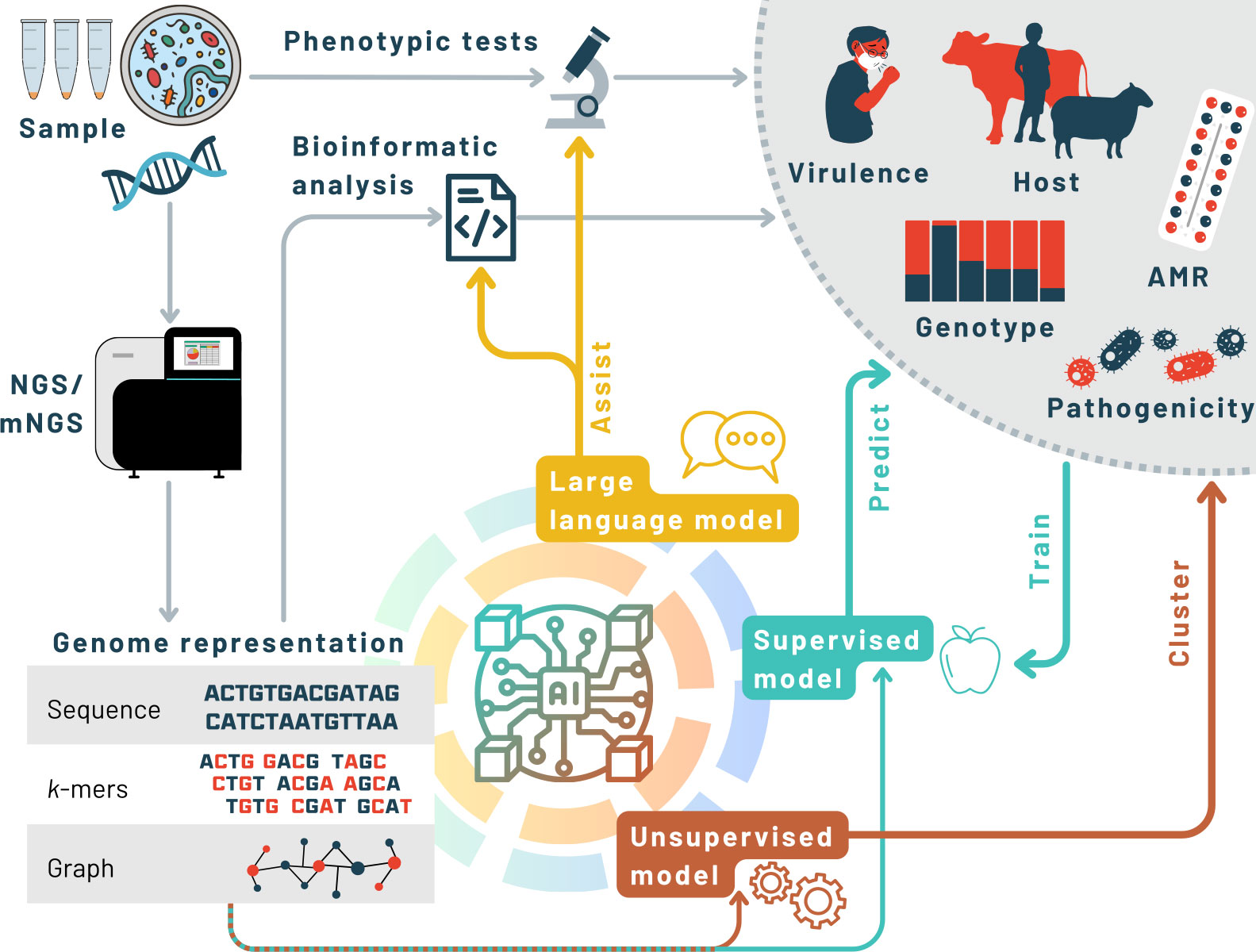
AI in Life SciencesThis focus area brings together algorithmic insight, biological understanding, and research infrastructure to support genome interpretation, molecular discovery, systems-level modeling, and emerging translational applications. The aim is not merely automation, but higher precision, deeper understanding, and better decisions across the life sciences workflow.
By aligning computational methods with scientific purpose, the foundation seeks to help build an ecosystem where AI meaningfully supports education, research, and innovation in biology.
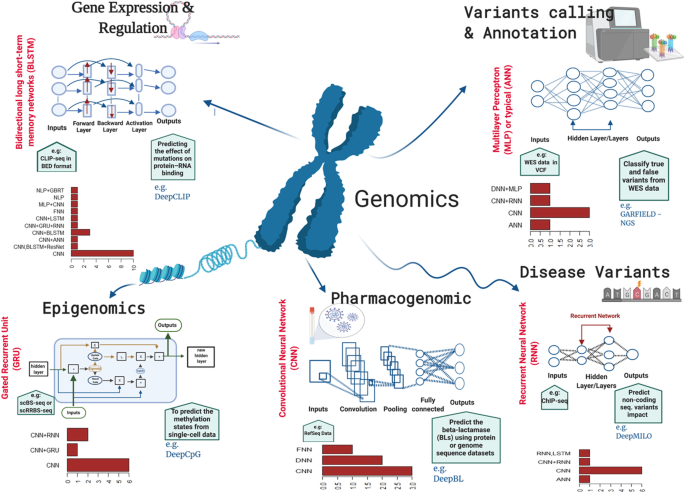
Deep learning enables higher-resolution interpretation of genomic structure, function, and variation across increasingly complex biological datasets.
Deep learning algorithms can identify gene locations and likely biological roles with increased automation, supporting the discovery of coding regions and previously under-characterized genomic elements.
AI models help detect SNPs, insertions, deletions, and structural variation while also supporting downstream interpretation of how those changes may influence gene function or disease relevance.
By learning from complex transcriptomic patterns, deep learning can reveal regulatory relationships, response signatures, and biologically meaningful expression programs across conditions.
Computational models can support the study of genome evolution, helping researchers identify conserved regions, predict divergence patterns, and better understand long-term biological change.
When genomic features are integrated with wider biological data, AI can contribute to patient-specific prediction frameworks that support tailored therapeutic and diagnostic decisions.
Beyond sequence interpretation, AI can help model adaptive biological behavior across cells, tissues, organisms, and ecosystems.
AI can help model how neural pathways reorganize in response to learning, memory formation, and environmental change, expanding our understanding of adaptive brain function.
Computational approaches can decode how cells alter gene expression, regulatory state, and phenotype across development, stress, disease progression, and therapeutic response.
AI methods can support ecological analysis by identifying how species interactions and system-level responses shift under environmental change and selective pressure.
Predictive models can help study how organisms alter developmental trajectories under internal and external cues, improving our understanding of growth and differentiation.
AI can assist regenerative medicine by modeling tissue behavior, guiding design choices, and supporting better control of adaptive responses during engineering workflows.
Discover the latest additions to our genomic collection, curated for the future of plant science.